
- About
- Acknowledgements
- Methodology
- Guidelines in Action
- Guidelines in Action: Colombia
- Assessment Tool

Together with the organisation Dejusticia, we work to ensure that drug policies in Colombia respect human rights and promote social justice.
Courts | National Policy | Gender Justice | Environment | Harm Reduction | Beyond Decriminalisation | Global Diplomacy
We are a partnership between the International Centre on Human Rights and Drug Policy at the University of Essex and Dejusticia, a Colombian human rights organisation that works for social justice through research, strategic litigation, and advocacy. Together, we promote the implementation of the International Guidelines on Human Rights and Drug Policy as a roadmap for drug policy reform in Colombia.
Since 2019, we have advanced an agenda that combines legal, academic, and civil society voices to integrate the Guidelines into judicial decisions, public policy, and legislative reform. We have collaborated with grassroots organisations, judges, ministries of health, justice, foreign affairs (among others), members of Congress, and international bodies to promote a rights-based approach to design, implementation, and monitoring of drug laws, policies, and practices.
These efforts have strengthened Colombia's role as a regional leader in drug policy development and reform. The Guidelines have been cited by Colombia's high courts, and adopted as Colombia's human rights framework for its 2023–2033 National Drug Policy. The Guidelines also support the implementation of the Public Utility Law, an innovation that allows women heads of household convicted of drug offences to serve their sentences outside of prison in exchange for unpaid public service work.
Using the Guidelines to align human rights and drug policy in Colombia
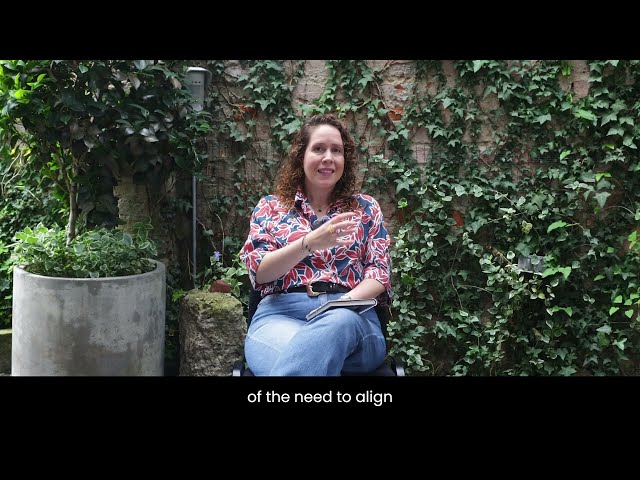
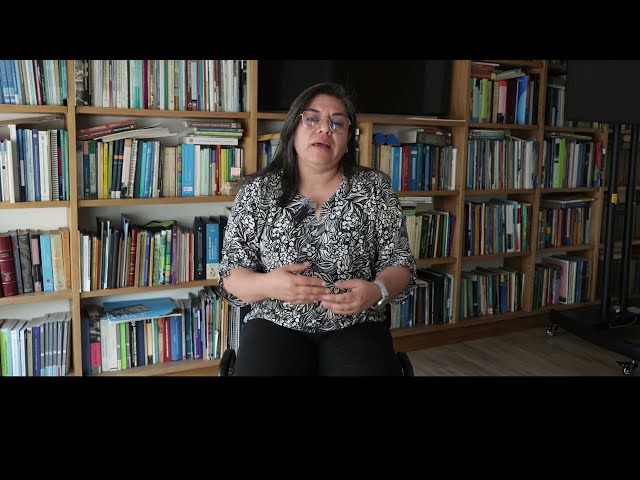
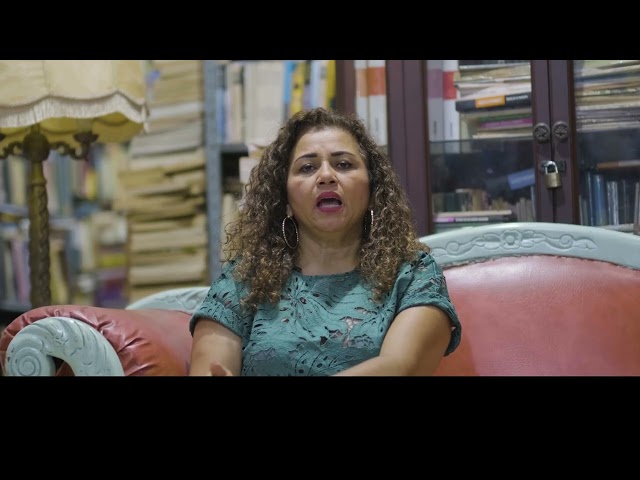
Voices of the Guidelines brings together stories from people putting the International Guidelines on Human Rights and Drug Policy into practice in their daily work. From grassroots advocates and community leaders to judges, municipal officials, and national policymakers, these reflections show how the Guidelines can inform real-world action across different contexts of drug policy reform. Together, these stories can give us insight, inspiration, and practical examples of human rights in action.

The Constitutional Court cited the Guidelines to promote balanced regulations for the use of drugs in public spaces, and protect people who use drugs.
The Constitutional Court required strict safeguards for the use of agrotoxics in illicit crops reduction strategies invoking the Guidelines to protect life, health, and the environment.
The Council of State limited police power to seize personal drug doses, aligning with the Guidelines on rights of youth and proportional enforcement.

Colombia's national drug policy explicitly adopts the International Guidelines on Human Rights and Drug Policy as its human rights framework.
It shapes concrete actions in health, justice, rural development, gender, and international diplomacy.
Colombia is setting a regional example in rights-based drug policy reform.
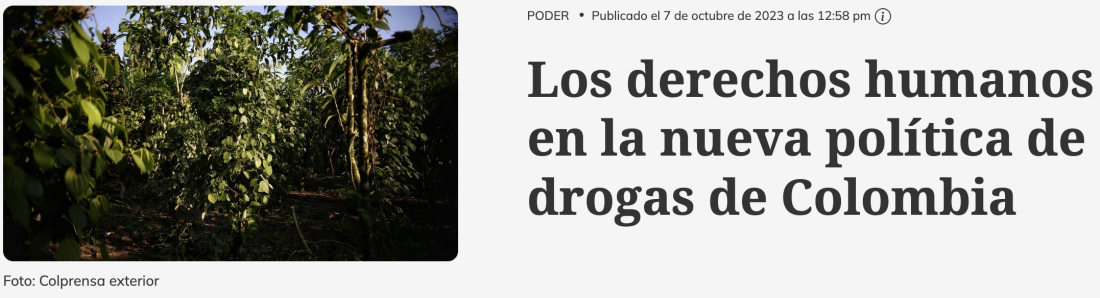
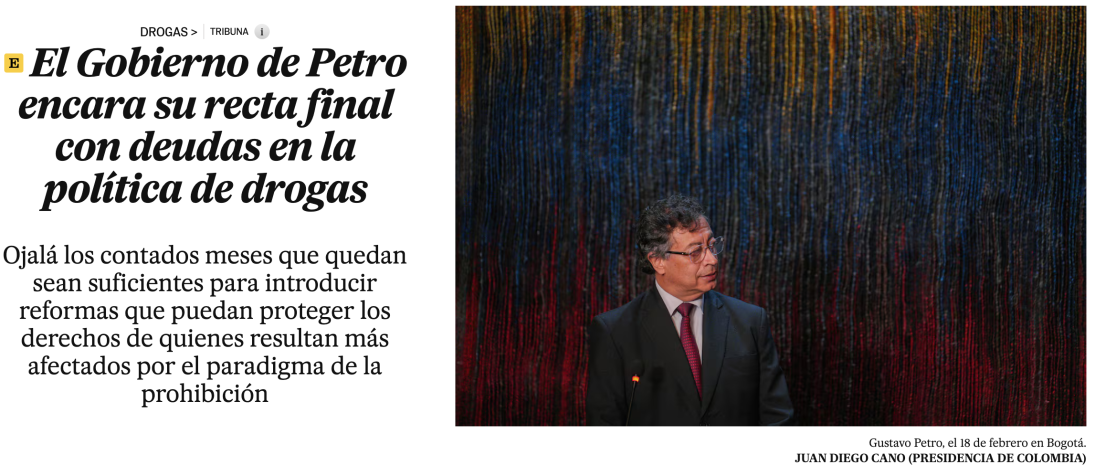
We successfully advocated for Colombia’s 2023–2033 National Drug Policy to explicitly recognise the International Guidelines on Human Rights and Drug Policy as a reference for human rights-based drug policy in its national and international work. This policy adopts a comprehensive, rights-based approach aligned with international obligations and proposes a structural shift away from prohibitionist frameworks.
The policy applies the Guidelines by establishing priority protection for vulnerable people, territories, and ecosystems, and focusing coercive actions on the most violent and lucrative links in the drug trafficking chain. It adopts Guidelines related to human dignity, meaningful participation, the right to an adequate standard of living, the right to health, and the rights of women linked to illicit cultivation, through commitments to transition to licit economies with access to land, financing, and participatory land use planning.
In addition, the policy explicitly states that Colombia will promote the inclusion of the human rights approach set out in the Guidelines in the various international fora in which it participates, which is in line with the obligation of international cooperation and assistance contained in the Guidelines.
We have also monitored compliance with this national drug policy and participated in a public hearing in Congress where we emphasised that the policy should recognise the International Guidelines on Human Rights and Drug Policy as a frame of reference. We welcome its approach, but we also point out significant gaps: errors in the prioritisation of the programme to replace illicit crops, the need to repeal the decree allowing the spraying of glyphosate, the government's silence on constitutional reforms to regulate psychoactive substances, and the urgency of an employability policy so that the Public Utility Law, through which women who meet certain requirements can be released from prison in exchange for community service, can be more fully implemented.
https://x.com/Dejusticia/status/1862164409147138131
In 2025, we attended the 68th Session of the Commission on Narcotic Drugs in Vienna to share these advances and challenges: https://www.youtube.com/watch?v=fzyOMoakTwE

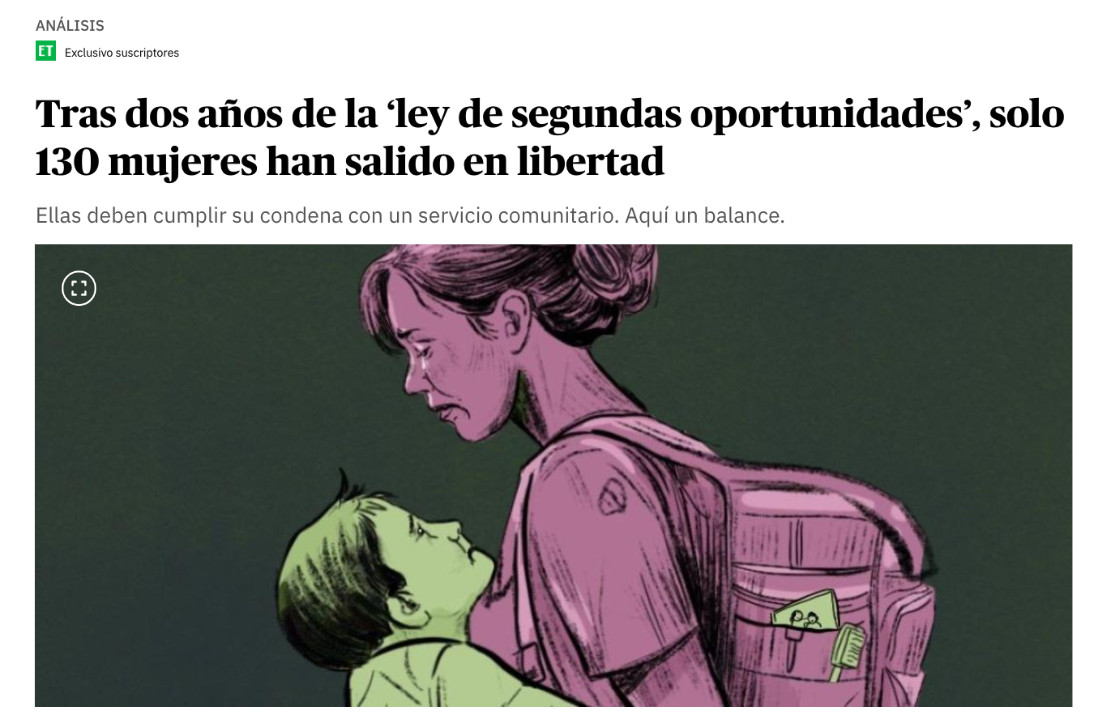
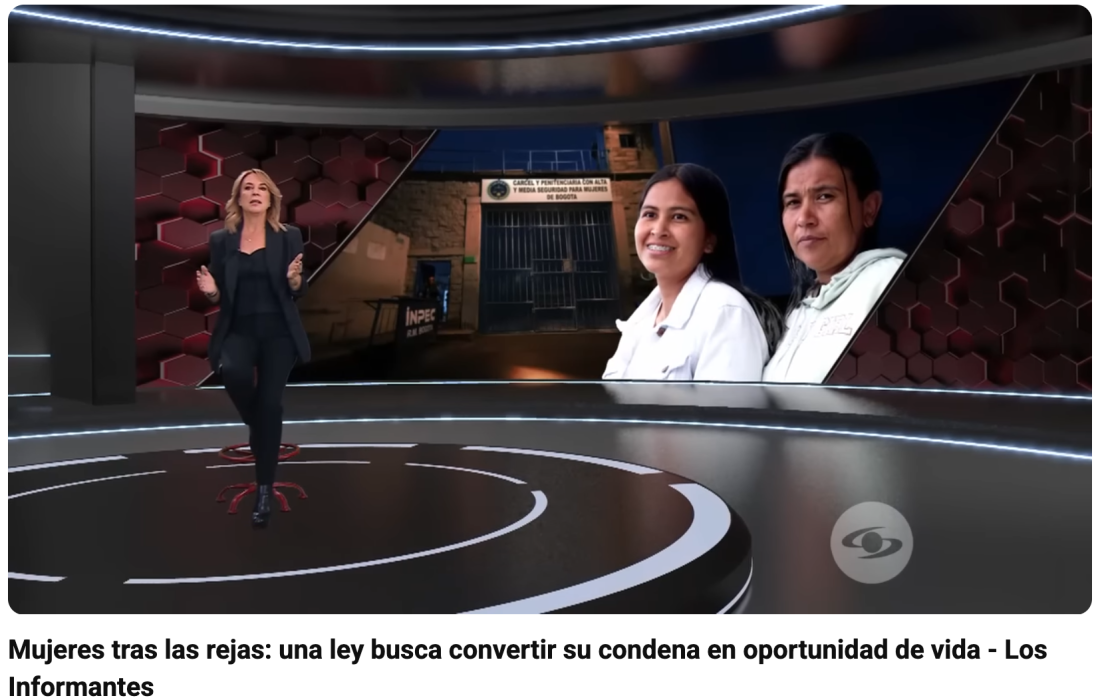
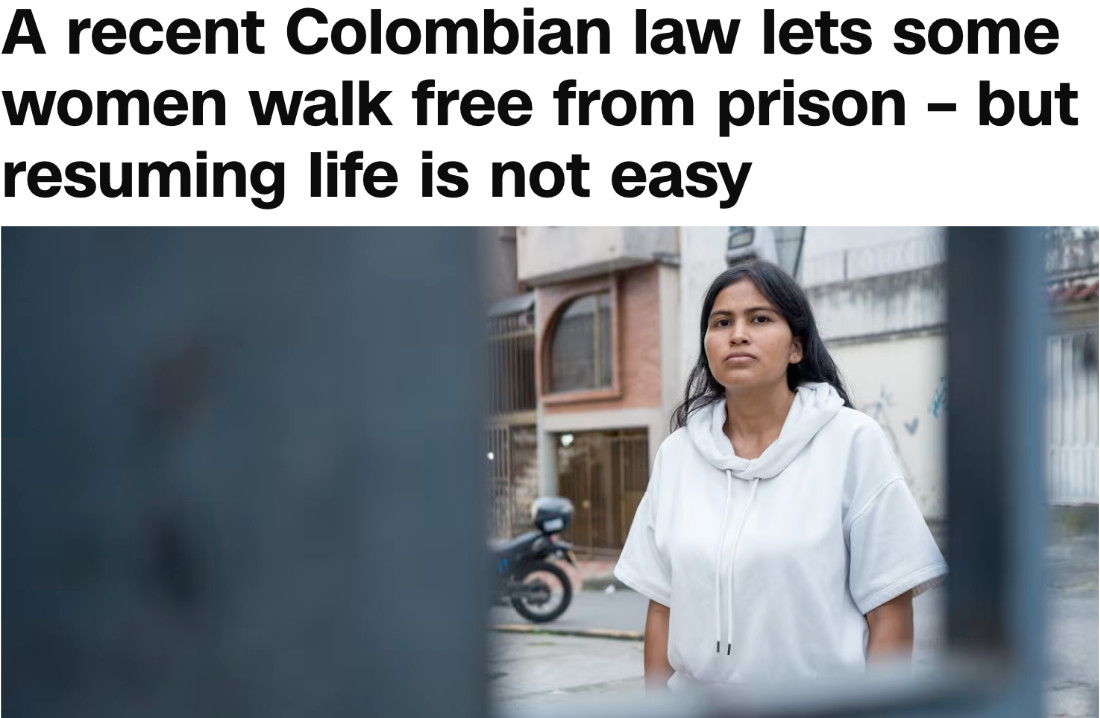
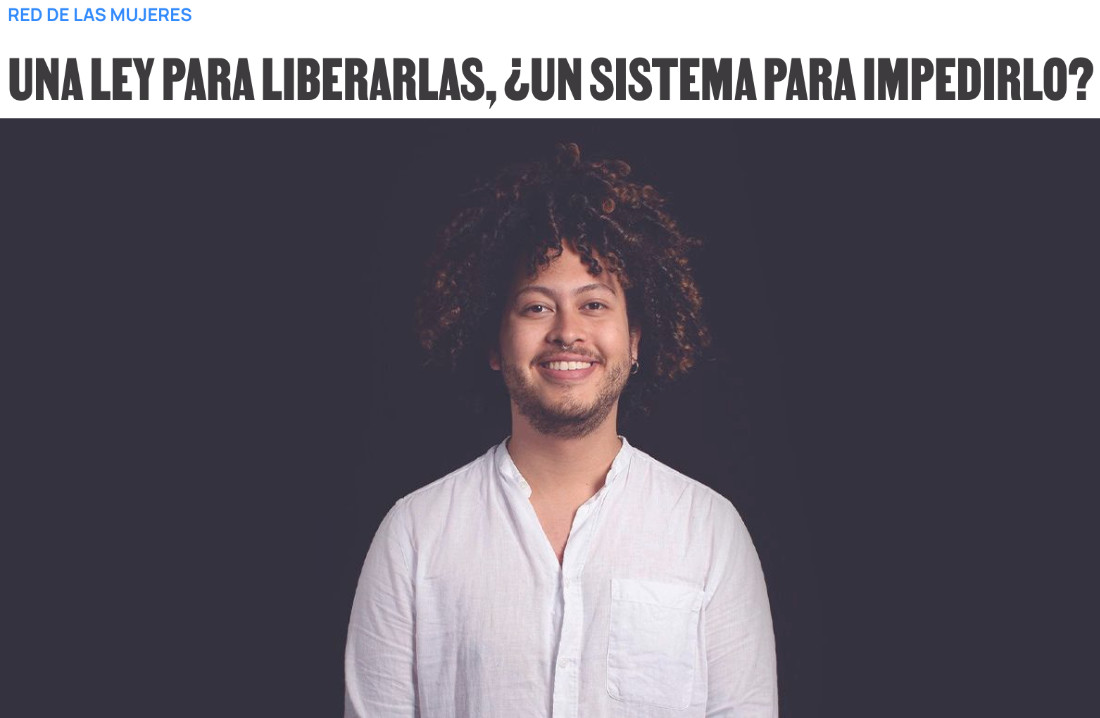
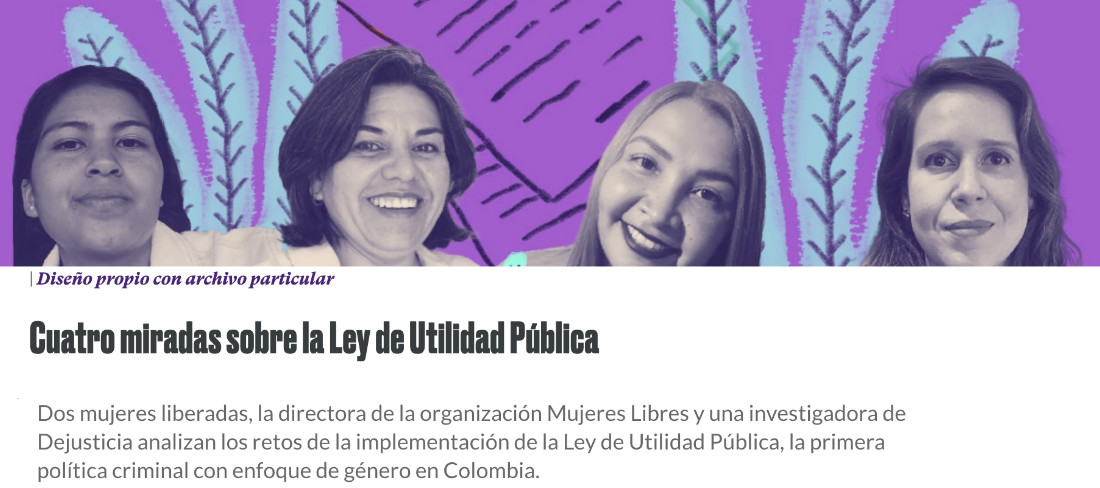
Law 2292 of 2023 (the “Public Service Utility” law) allows female heads of household who have committed their crimes (including drug-related crimes) in conditions of vulnerability to serve their sentences outside of prison through unpaid community service.
This measure is an example of the International Guidelines on Human Rights and Drug Policy in practice.
We work with the Ministry of Justice, the judiciary, the Public Ombudsperson’s office, current and formerly incarcerated women, and civil society to ensure the proper implementation of the law.
The International Centre on Human Rights and Drug Policy at the University of Essex, Dejusticia, and the Colombian NGO Mujeres Libres have promoted a comprehensive strategy to ensure that this law becomes a true tool for transformation. One of the first steps was the development and dissemination of a pedagogical booklet that explains, in accessible language, the requirements, procedures, and conditions to access the benefit. This booklet was distributed in several prisons across the country and served as a key resource for dialogue workshops with judges.
In the first half of 2024, we held three sessions with judges and judicial staff — two in-person events in Bogotá and Medellín, and one virtual — to identify the main barriers preventing effective implementation of the law. More than 150 participants took part, including sentencing judges and support staff. These conversations informed the production of a technical report outlining the most frequent conceptual, evidentiary, and bureaucratic challenges: from difficulties defining who qualifies as a “female head of household” or what constitutes “marginalisation” under the law, to concerns among judges about applying novel concepts in the law in the absence of clear judicial precedent.
We also conducted interviews with women who have benefited from the Public Utility Law, with the aim of building a narrative based on their voices, experiences, and expectations. This work will feed into a research publication in 2026, focusing on the law’s impact on their economic, social, civil, and political rights.
The implementation of this law has also provided an opportunity to position the International Guidelines on Human Rights and Drug Policy as a technical benchmark in Colombian criminal policy. In national and international fora — including exchanges between Colombia and Mexico and at the Commission on Narcotic Drugs in Vienna — we have promoted the Public Utility Law as a replicable innovation for other countries in Latin America and worldwide.
Our commitment is not only legal, but also political and cultural: to promote a gender-sensitive approach in which women are not punished for their poverty or for performing care work. As this process has shown: freeing them is justice.
https://www.instagram.com/p/DDZx18bp3pp

For over 15 years, Colombia used aerial spraying with toxic herbicides to reduce coca crops.
This policy had devastating effects on human health and life, the environment, and the rights to participation and livelihoods of rural farmers who depend on coca crops.
At a turning point in this debate, the Constitutional Court introduced strict conditions on this program, introducing the International Guidelines as a reference.
At a turning point in this debate, the Constitutional Court introduced strict conditions on this program, introducing the Guidelines as a reference.
Between 1995 and 2015, it is estimated that around two million hectares were sprayed with glyphosate on coca growing areas in Colombia. The spraying was conducted by Colombia’s armed forces, with political and financial support from the US government under the bilateral agreement Plan Colombia.
Spraying with glyphosate affects numerous human rights. Glyphosate is categorized as a probable carcinogen by the International Agency for Cancer Research at the World Health Organization, and has also been linked to miscarriages, skin disease, malformations, among others. Aerial spraying contaminates rivers makes soils unfertile, making it more difficult for those living in communities sprayed with glyphosate to have sustainable livelihoods.
In 2017 the Program was suspended by a Constitutional Court decision. Between 2019 and 2021 there was a long legal battle at the Constitutional Court in response to government efforts trying to resume this program. In its 2019 ruling, the Court clarified that strict conditions, including the precautionary principle still applied and introduced the International Guidelines as a standard to frame human rights based drug policies.
https://www.dejusticia.org/publication/el-dano-que-nos-hacen-glifosato-y-guerra-en-caqueta

Harm reduction refers to human rights-based policies, programmes and practices that aim to reduce the health, social, and legal impacts with drug use, drug policies, and drug laws.
The International Guidelines on Human Rights and Drug Policy, provide a clear framework for states to ensure the rights to health, life, and justice for people who use drugs and their peers, instead of criminalizing them.
In Colombia, these Guidelines have inspired grassroots, academic and legislative efforts to build harm reduction policies and practices that prioritise rights, inclusion, and legal security.

In Colombia, although the Constitutional Court decriminalised personal drug use in 1994, people who use drugs—especially in public spaces—continue to face punishment. The national Police Code and laws and regulations at the municipal level have reintroduced sanctions restricting public drug use that in some cases eliminate it altogether contradicting the constitutional mandate to protect fundamental rights of people who use drugs, including the rights to dignity, health, and free development of personality. This legal contradiction disproportionately affects vulnerable populations, exposing them to arrest and perpetuating discrimination, and interfering with access to harm reduction and life saving services.
To address this issue, our team has taken several actions to advocate for a rights-based approach to drug use in public spaces. In May 2024, we submitted a formal intervention during a public congressional hearing, where we warned about the ongoing protection gap in the human rights of people who use drugs. We argued for the urgent need to reform national legislation to bring it in line with the Constitution and with international standards—especially the International Guidelines on Human Rights and Drug Policy, which recommend the decriminalisation of drug use and voluntary, non-punitive access to health and harm reduction services. We proposed eliminating public drug use sanctions, limiting police discretion, and ensuring that interventions are based on real harm—not on prejudice or moral panic.
This agenda was also central to a workshop we co-organised in Bogotá days before the International Conference on Harm Reduction 2025 (Harm Reduction 2025), alongside Release (UK) and Amnesty International. The workshop gathered organisations and experts from around the world to discuss legal models for decriminalisation, the impact of criminalisation, and the challenges of regulating public drug use. Participants examined how legal and judicial advances often clash with regressive legislation, as is the case in Colombia. Throughout the discussions, the Guidelines were consistently highlighted as a key tool for pushing legal reform, ensuring access to services, and supporting litigation and accountability.
Finally, during the #HR25 conference, we participated in an international panel with experts from France and the UK to share our work on strategic litigation and legal advocacy. We discussed how legal tools can protect people who use drugs and support harm reduction policies. Across all of these interventions, we emphasised the principle—enshrined in the Guidelines—that people who use drugs must have a central role in shaping the policies that affect their lives.
https://www.instagram.com/p/DJAo8AKJB6i
https://www.dejusticia.org/despenalizacion-de-drogas
At a turning point in this debate, the Constitutional Court introduced strict conditions on this program, introducing the Guidelines as a reference.
Between 1995 and 2015, it is estimated that around two million hectares were sprayed with glyphosate on coca growing areas in Colombia. The spraying was conducted by Colombia’s armed forces, with political and financial support from the US government under the bilateral agreement Plan Colombia.
Spraying with glyphosate affects numerous human rights. Glyphosate is categorized as a probable carcinogen by the International Agency for Cancer Research at the World Health Organization, and has also been linked to miscarriages, skin disease, malformations, among others. Aerial spraying contaminates rivers makes soils unfertile, making it more difficult for those living in communities sprayed with glyphosate to have sustainable livelihoods.
In 2017 the Program was suspended by a Constitutional Court decision. Between 2019 and 2021 there was a long legal battle at the Constitutional Court in response to government efforts trying to resume this program. In its 2019 ruling, the Court clarified that strict conditions, including the precautionary principle still applied and introduced the International Guidelines as a standard to frame human rights based drug policies.
https://www.dejusticia.org/publication/el-dano-que-nos-hacen-glifosato-y-guerra-en-caqueta

“Colombia was the first country to include the International Guidelines on Human Rights and Drug Policy into the national policy. They were very useful to focus our change in policy [at the national level].” Laura Gil, former Ambassador of Colombia to Austria; Assistant Secretary General, Organisation of American States.